
What is Wakayama-Style Ramen?
A short guide to chuka soba — Wakayama's contribution to the ramen world.
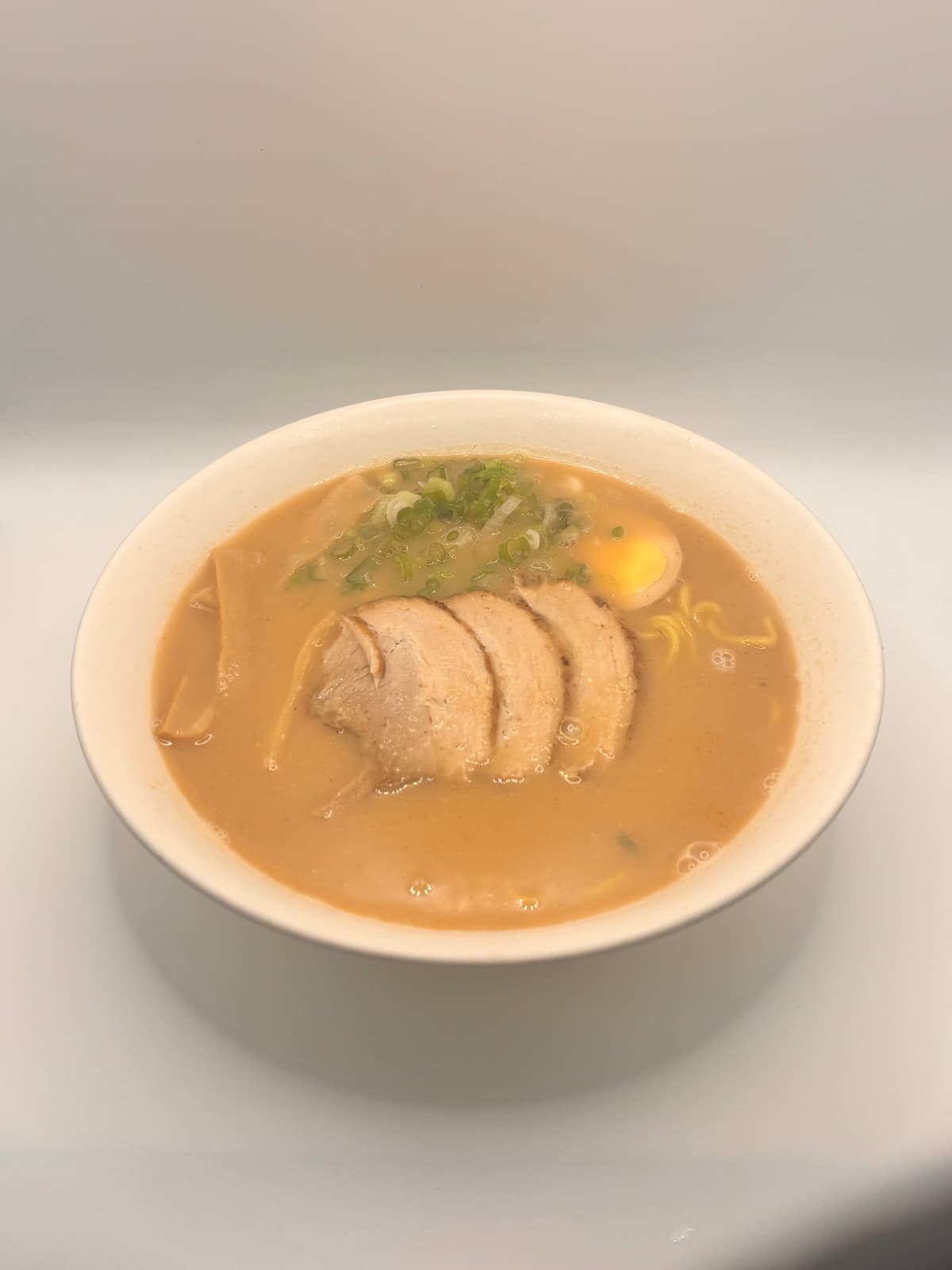
If you've eaten ramen in the US, you've probably eaten tonkotsu (Fukuoka's creamy pork-bone style), shoyu (Tokyo's clear soy-based broth), or shio (light salt-based). What you probably haven't tried is Wakayama-style ramen — a regional variant with its own personality and its own name.
At Gomen, that's what we make.
Where Wakayama comes in
Wakayama is a small prefecture on the Kii Peninsula, south of Osaka. It's known for oranges, sacred mountain temples, and — locally — a very good bowl of ramen.
Wakayama-style ramen has a specific identity:
- Pork-bone broth as the base — creamy and rich, but not as heavy as Kyushu tonkotsu
- Soy-based tare (seasoning) blended in — gives it depth and umami without being too dark
- Straight, thin noodles — designed to catch the broth without overwhelming it
- Simple toppings — a few slices of chashu, boiled egg, green onion, bamboo shoots
- Often served with hayanare (fermented sushi) on the side, though we don't do that here
Locals in Wakayama call it chuka soba (中華そば) — literally "Chinese noodles" — which is the traditional Japanese name for what Westerners call ramen. It's an older term, and using it signals you're serving something rooted in a specific place.
How it's different from the ramen you know
If you've been eating tonkotsu at chain ramen shops, Wakayama ramen will feel:
- Lighter than Ichiran or Ippudo-style tonkotsu, but richer than Tokyo shoyu
- Cleaner-finishing — you can actually taste the soy backbone, not just fat
- Less noodle-forward — the broth is meant to be the star, not the noodle
If you've never had ramen at all, this is a great place to start. It's the middle path — rich enough to feel satisfying, but not so heavy that it puts you to sleep after lunch.
What to order first at Gomen
Our three base Wakayama bowls (all pork-bone broth, all $13.95):
- Tonsoy — pork-bone, soy seasoning. The traditional Wakayama style. Start here.
- Tonsalt — same pork-bone broth, salt (shio) seasoning. Cleaner, brighter.
- Tonmiso — pork-bone, miso. Sweeter, earthier. Comfort in a bowl.
Each bowl comes with 3pc chashu, boiled egg, green onions, and either bamboo shoots (soy/salt) or corn (miso).
If you want to try something with more going on, go straight to the Kakuni Deluxe ($18.95) — a Tonmiso bowl loaded with thick-braised pork belly, fish cakes, seaweed, and a full spread of vegetables. It's the "everything on it" version.
The broth we obsess over
The base of every Wakayama bowl is a pork-bone broth simmered for 12+ hours. We start it before service every morning. It gets strained, skimmed, and blended with tare at the bowl.
That's the recipe we learned from Ide Shoten in Wakayama in 2002, and it hasn't changed since. You can read the full story of that lineage here.
The short version
Wakayama-style ramen is:
- Rooted in one specific place in Japan
- Built on pork-bone broth + soy
- Older and simpler than the tonkotsu boom
- What we serve at Gomen in Stanton
If you've been eating tonkotsu at every ramen spot in OC, come try the older cousin. Start with Tonsoy.
Gomen Ramen · 7147 Katella Ave, Stanton, CA · Open six days a week.
Keep reading