
Twelve Hours of Broth, Every Morning
What actually happens in the kitchen before we open at 11.
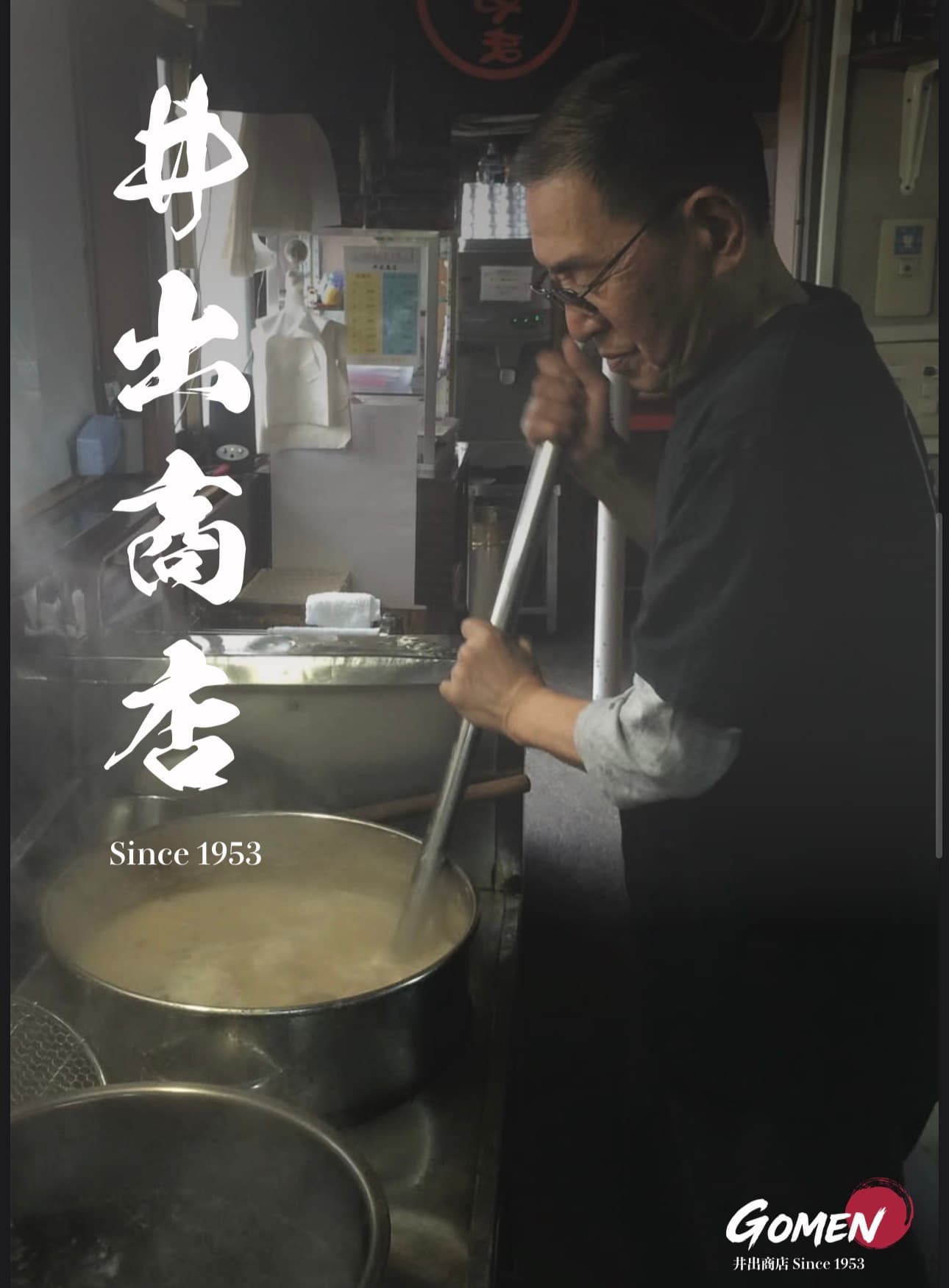
By the time we unlock the front door at 11, the most important work of the day is already done. It started the morning before.
Every bowl of ramen we serve sits on top of one thing: a pork-bone broth that simmers for twelve-plus hours. There's no version of our menu without it. Tonsoy, Tonsalt, Tonmiso, the Kakuni Deluxe — different seasonings, same foundation. If the broth is right, everything else has a chance. If it's not, nothing saves the bowl.
So this post is about the part of the shop you never see.
The pot never really stops
The rhythm of the kitchen runs on a cycle, not a schedule. While today's broth is being served, tomorrow's is already underway — bones in the pot, heat set low, the surface barely moving.
Twelve hours is not a marketing number. It's roughly what it takes for pork bones to give up everything they have: collagen breaking down into gelatin, marrow softening into the broth, the whole thing slowly turning from cloudy water into something with real body. You can rush it with pressure cookers and concentrates. Plenty of places do. It's not the same bowl, and anyone who's had both can tell.
Skimming is the job
For the first stretch, someone has to stand at the pot and skim.
Impurities rise as foam — off-flavors, cloudiness, the stuff that makes a lazy broth taste muddy. So we pull it off the surface, ladle by ladle, until the broth settles into a clean simmer. It's not complicated work. It's just work nobody can skip, and it's the difference between rich and greasy.
This is the part Norio Ide drilled into Koji in Wakayama back in 2002: the broth doesn't need you to be clever. It needs you to be there.
Strained, not shortcut
At the end of the simmer, the whole batch gets strained — poured through a fine strainer into a fresh pot, bones and solids out, nothing but broth moving forward. What's left is smooth, deep, and heavy on the ladle.
That's the base. It doesn't become ramen until the moment you order, when it gets blended in the bowl with tare — soy, salt, or miso — and hits the noodles.
Why we still do it this way
Because this is the recipe. Not "inspired by" the recipe — the actual one, learned in the Ide Shoten kitchen in Wakayama and carried to Stanton in 2002. The shop has changed hands once in twenty-plus years, and the handoff came with one condition that mattered more than the rest: don't touch the broth.
Ide Shoten has been making it this way since 1953. We're not going to be the ones who decide seventy years of doing it right was optional.
If you want to read where the recipe comes from, the full story is here: The Story of Ide Shoten. And if you've never tried Wakayama-style ramen at all, start with this guide.
Or skip the reading and just come taste what twelve hours does.
Gomen Ramen · 7147 Katella Ave, Stanton, CA · Open at 11, six days a week.
Keep reading
What is Wakayama-Style Ramen?
Wakayama-style ramen is a lesser-known regional style built on pork-bone broth blended with soy. Here's what makes it different from tonkotsu, shoyu, and shio ramen — and what to order if you've never tried it.
Read on →
The Story of Ide Shoten: 70 Years of Wakayama Ramen
Ide Shoten started as a street cart in Wakayama, Japan in 1953. This is the story of how that recipe traveled to Stanton, California — and how we still make it the same way, every single day.
Read on →